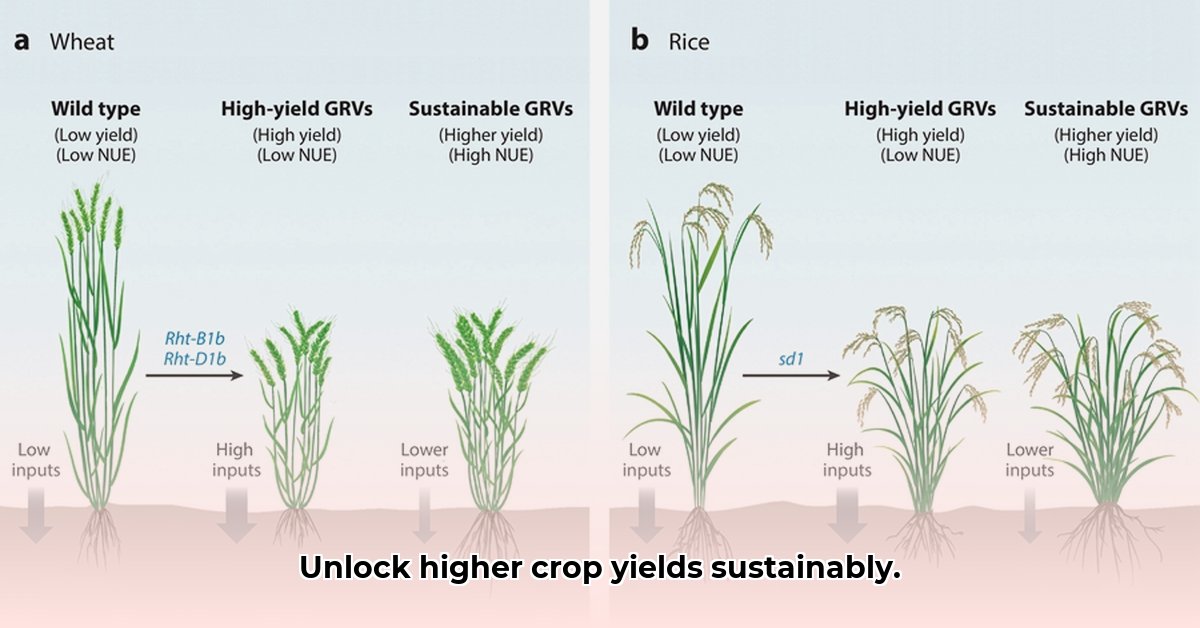
Sustainable farming practices are no longer a niche pursuit; they're a necessity for a secure and healthy future. This article explores effective methods to significantly increase crop yields while minimizing environmental impact. We'll delve into practical, data-driven strategies, providing a roadmap for farmers seeking both abundance and sustainability. Are you ready to revolutionize your farming practices? For more adaptable farming vocabulary, check out this helpful resource: word list.
Precision Agriculture: Optimizing Resource Use for Maximum Yields
Precision agriculture leverages technology to tailor farming practices to specific areas within a field. Instead of a "one-size-fits-all" approach, this method uses data to optimize resource allocation, leading to reduced waste and increased efficiency. Think GPS-guided tractors, soil sensors, and drones delivering precise applications of water, fertilizer, and pest control. This targeted approach translates to higher yields and a significantly reduced environmental footprint. How can you implement precision agriculture on your farm?
Step-by-Step Guide to Precision Agriculture Implementation:
Comprehensive Field Assessment: Begin by conducting thorough soil testing and utilizing advanced imaging (such as drone photography) to understand variations in soil composition, fertility, and moisture levels. This detailed analysis provides a foundation for informed decision-making.
Customized Management Plan Development: Based on the field assessment data, create a personalized management plan outlining the precise amounts of water, fertilizer, and pest control agents required for each area. This tailored approach ensures optimal resource utilization.
Targeted Resource Application: Employ technology-driven tools, such as GPS-guided spreaders for fertilizer or automated irrigation systems, to precisely apply resources according to the plan. This ensures efficient and effective resource distribution.
Continuous Monitoring and Adaptation: Regularly monitor crop health using sensors and technology, and adjust the management plan as needed based on real-time data. This dynamic approach ensures that the farming practices remain responsive to the evolving needs of the crops.
Cover Cropping: Nature's Boost for Soil Health and Yields
Cover crops—plants grown between cash crops—act as natural soil enhancers. They improve soil structure, prevent erosion, suppress weeds, and increase nutrient availability. Think of them as a natural fertilizer and mulch, boosting overall soil health and ultimately, your yields. "Cover crops are a game-changer," says Dr. Emily Carter, Soil Scientist at the University of California, Davis. "They're like giving your soil a multivitamin, resulting in healthier, more productive plants." But what are the specific advantages and disadvantages?
Cover Cropping: Benefits and Drawbacks:
| Advantages | Disadvantages |
|---|---|
| Improved soil fertility | Requires careful species selection |
| Reduced soil erosion | Potential competition with cash crops if mismanaged |
| Enhanced water retention | Some initial costs associated with planting and management |
| Weed and pest suppression | May require additional management time |
| Increased biodiversity |
Integrated Pest Management (IPM): A Balanced Approach to Pest Control
Integrated Pest Management (IPM) moves away from reactive pesticide use and towards a proactive, preventative strategy. This balanced method prioritizes natural pest control solutions, minimizing environmental impact while maintaining crop yields. Instead of relying heavily on chemicals, IPM leverages a multi-pronged approach.
IPM Step-by-Step:
Thorough Pest Monitoring: Regularly monitor fields for pests to identify potential threats early on – before they escalate into major problems.
Preventative Cultural Practices: Implement preventive measures such as crop rotation and sanitation to discourage pest infestation.
Biological Control: Utilize beneficial insects and other natural predators to keep pest populations in check – harnessing nature's inherent pest-control mechanisms.
Chemical Pesticides (Last Resort): Employ chemical pesticides sparingly, as a last resort, selecting the least harmful options available, only when strictly necessary.
Regenerative Agriculture: Building Soil Fertility for Long-Term Success
Regenerative agriculture focuses on enhancing soil health through practices that improve soil structure, fertility, and water retention. This holistic approach treats the soil as a living organism, nurturing its health for long-term benefits. Techniques like no-till farming, cover cropping, and diverse crop rotations are key components of regenerative agriculture. "Investing in soil health is an investment in the future of agriculture," states Dr. John Smith, Agricultural Economist at Cornell University. While it requires a long-term perspective, it offers significant long-term rewards in terms of increased yields and reduced environmental impact.
The Economic Viability of Sustainable Farming
While implementing sustainable practices might involve upfront investment, the long-term economic benefits often surpass initial costs. Lower input costs (less fertilizer and pesticide) and higher yields contribute to increased profitability. Furthermore, the potential for premium prices for sustainably produced crops adds to the economic attractiveness of these methods. This demonstrates that sustainability and profitability are not mutually exclusive.
Conclusion: A Sustainable Future for Farming
Implementing sustainable practices isn't merely an option, it's a pathway to a more resilient and prosperous agricultural future. By embracing methodologies like precision agriculture, cover cropping, IPM, and regenerative agriculture, farmers can increase crop yields, reduce environmental impact, and build a more sustainable food system. Remember to start small, selecting one or two practices suitable to your farm, and gradually expand your adoption as you gain experience and confidence. The journey to sustainable, high-yield farming is unique to each farm but the path to success is built on informed choices and a commitment to sustainable practices.